MEDIC CPR
“Our mission is to improve survivability in sudden cardiac arrest through community education and training”
It’s simple…CPR saves lives.
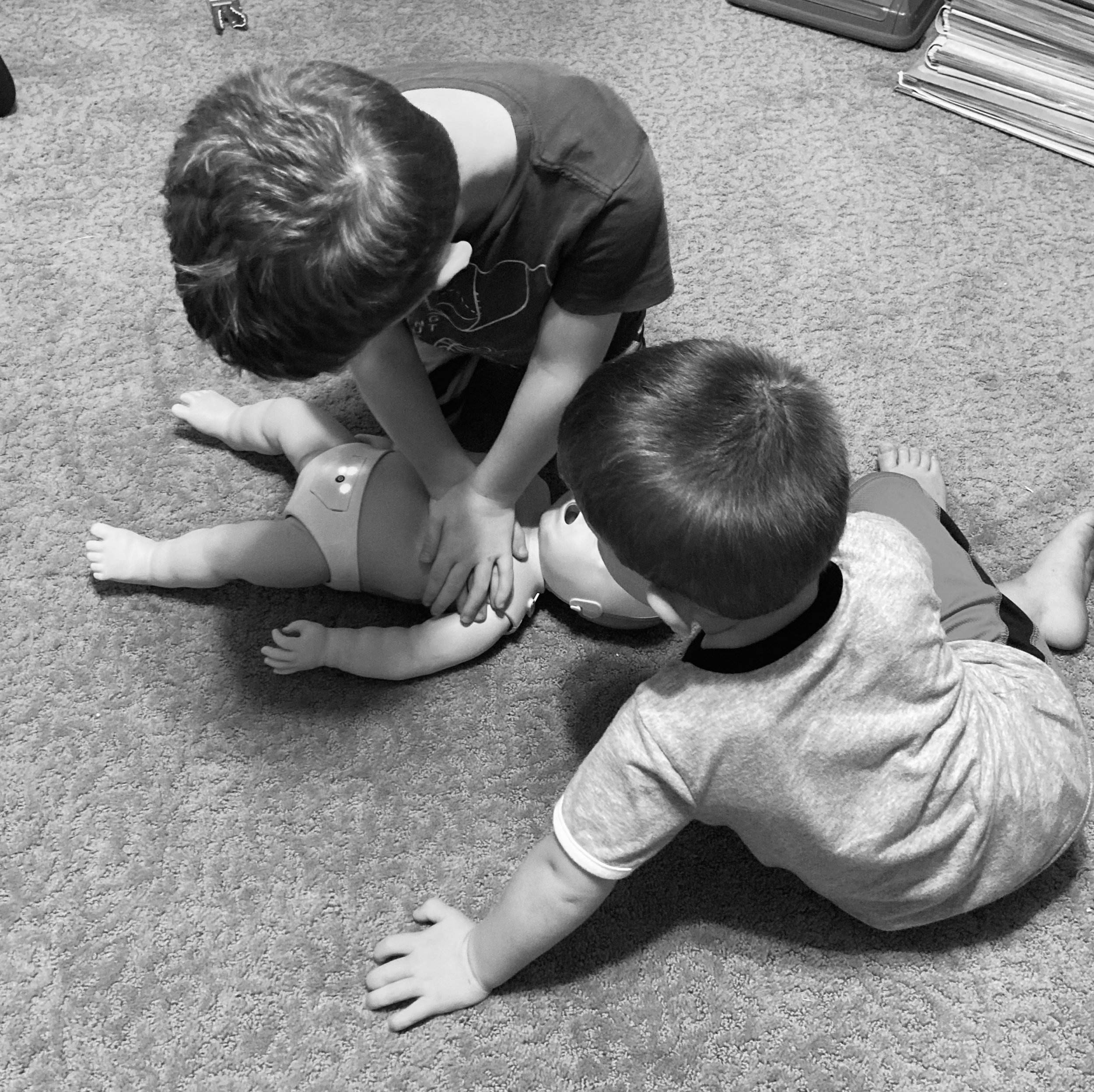
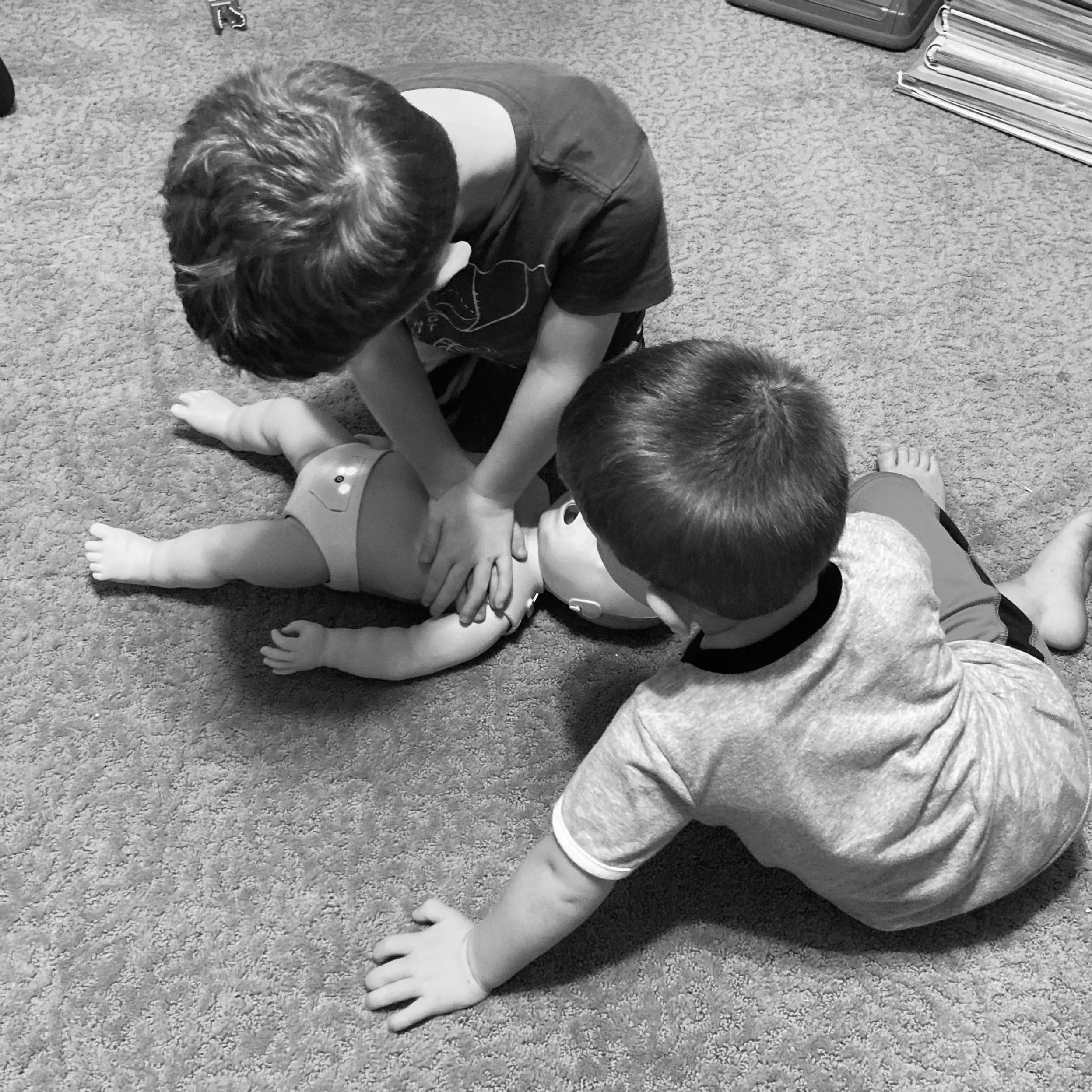
As a first-line response that can help save someone’s life in an emergency, Cardiopulmonary Resuscitation (CPR) aims to keep oxygen moving to vital organs, especially the brain, until the heart can beat on its own again.
When someone is suffering a sudden cardiac arrest, CPR before professional help arrives gives the best chance of survival. By some estimates, performing CPR immediately can double or triple the chance of survival from a sudden cardiac arrest that occurs outside of a hospital. A patient's chances of recovery, and avoiding brain death, rely on immediate CPR—this makes understanding the fundamentals of CPR the difference between life and death.
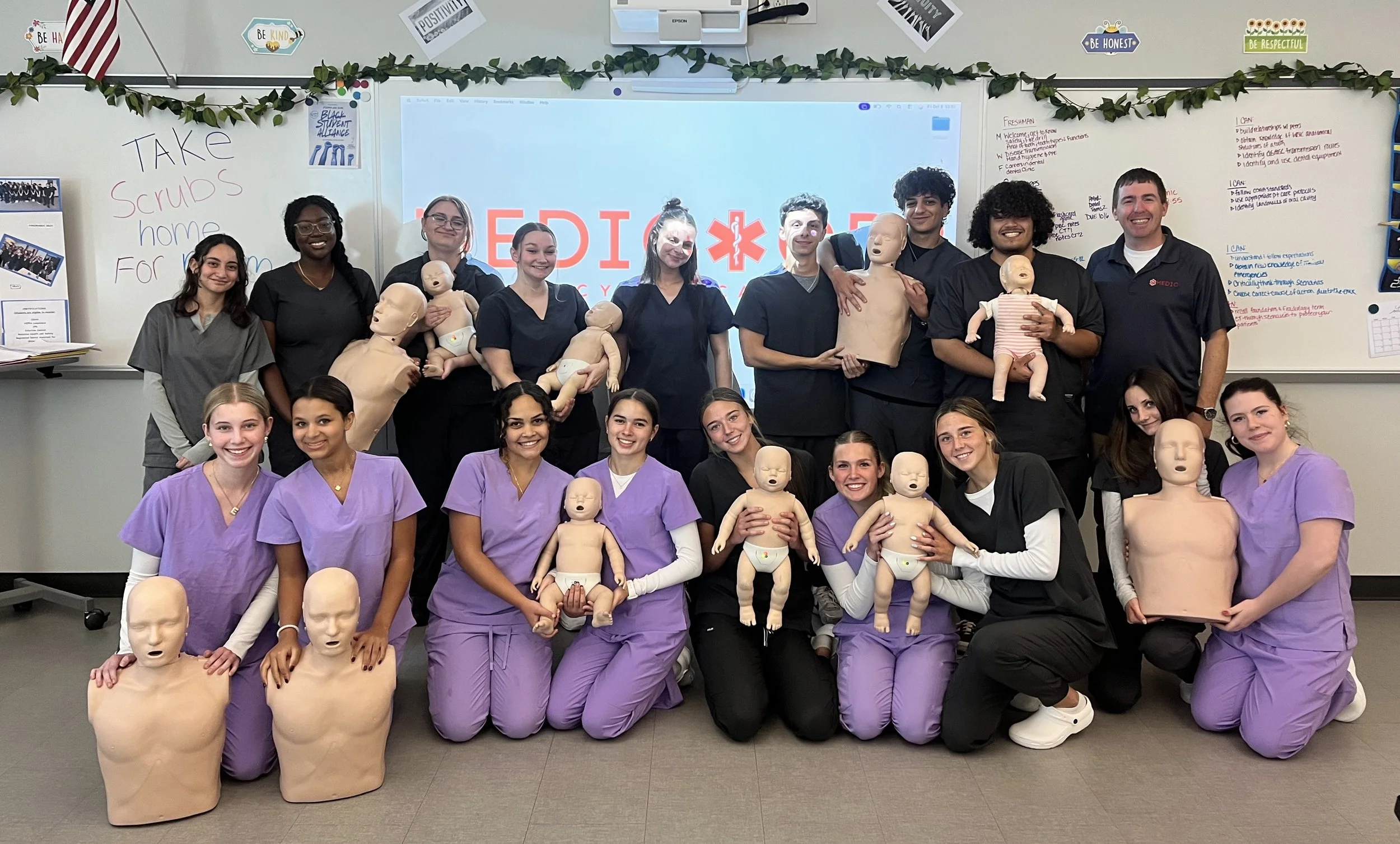
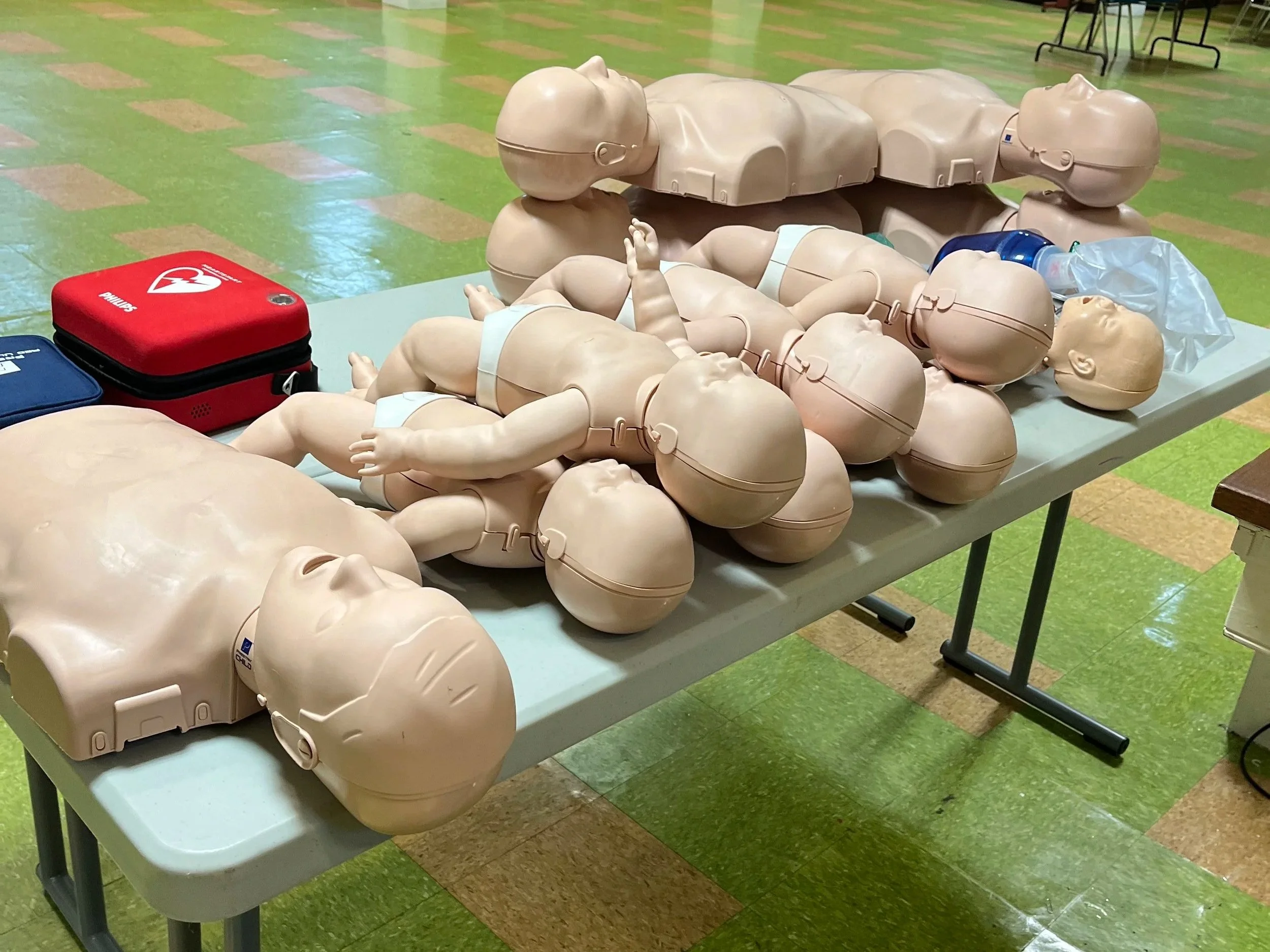
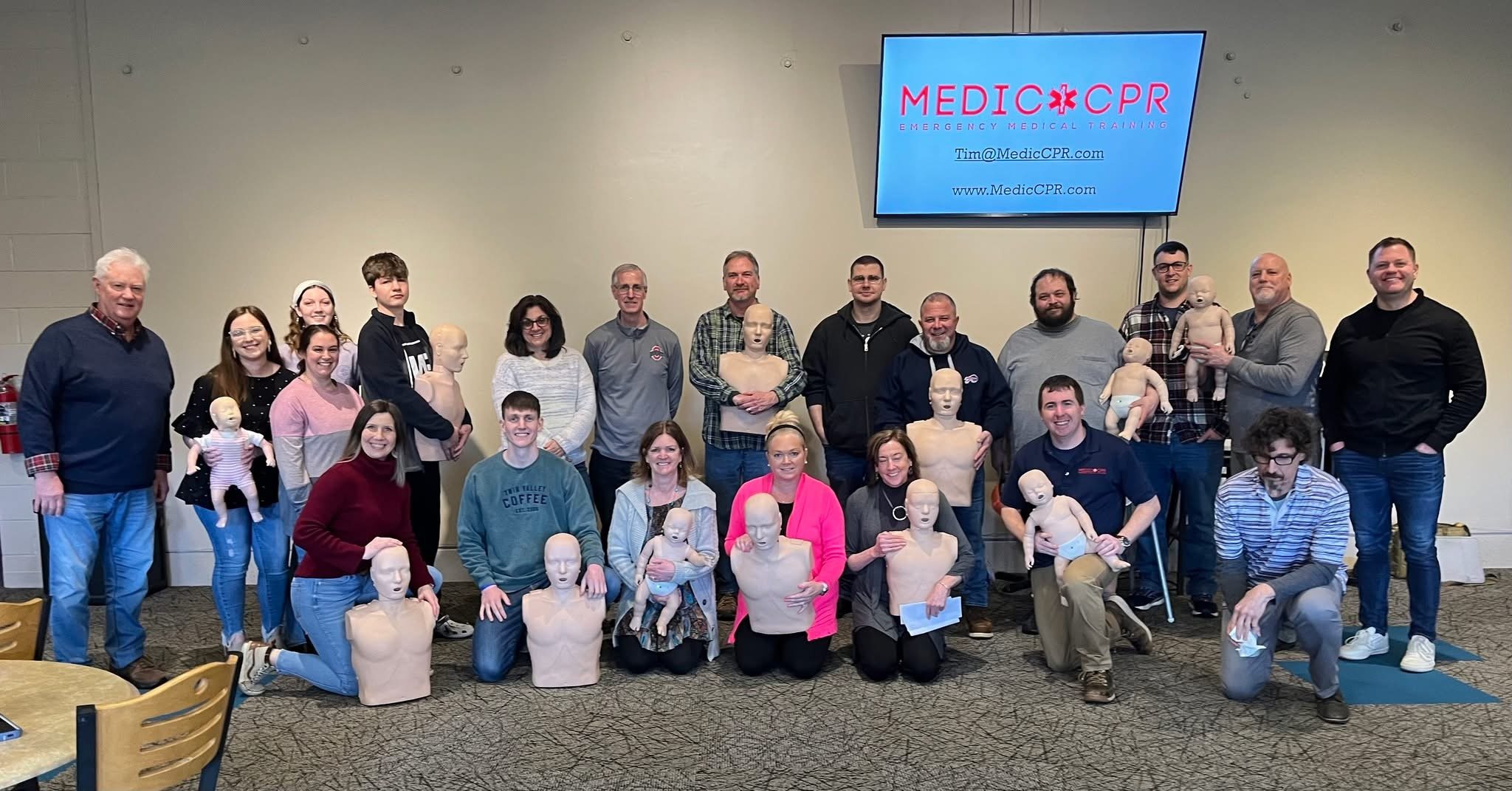
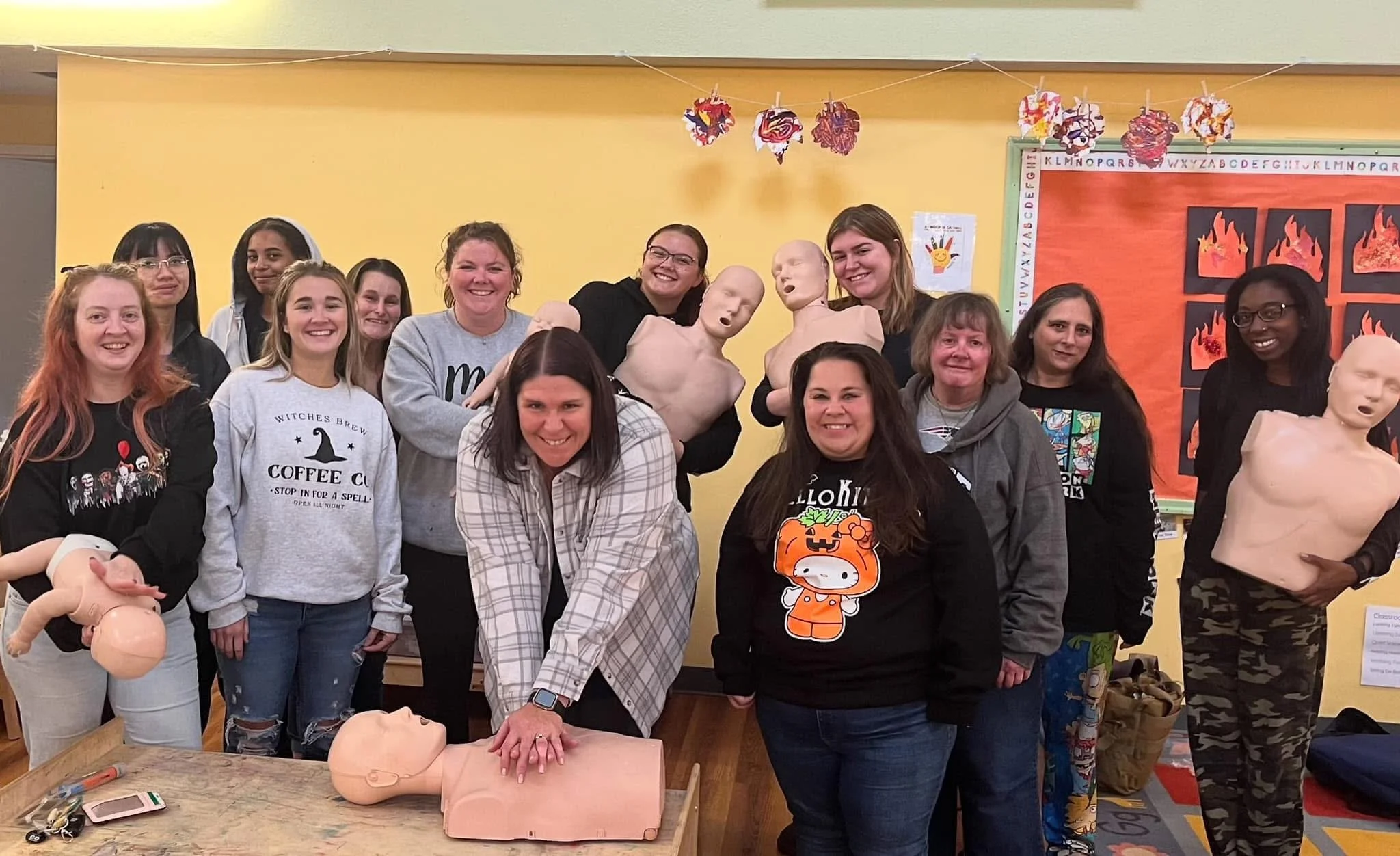
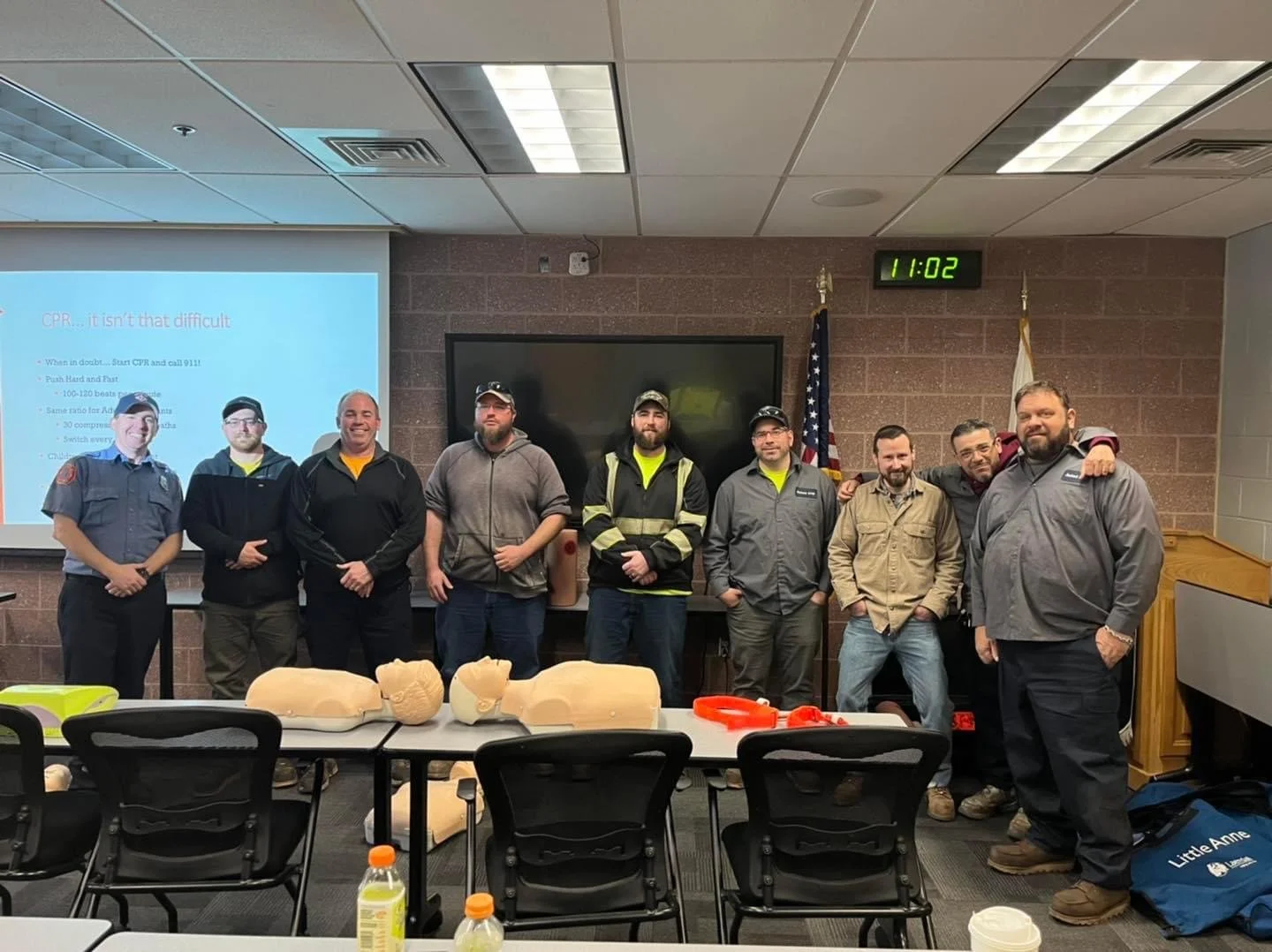
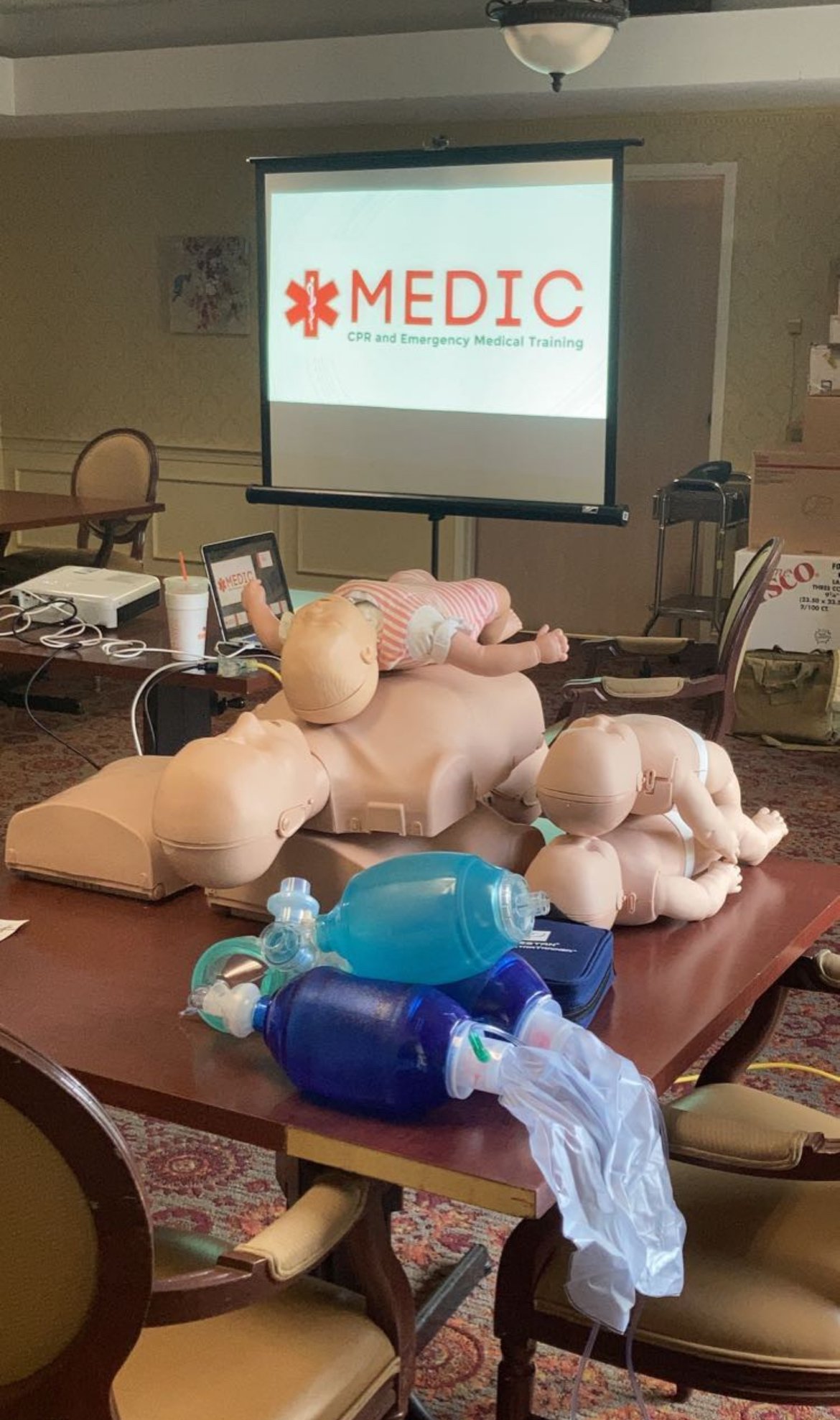
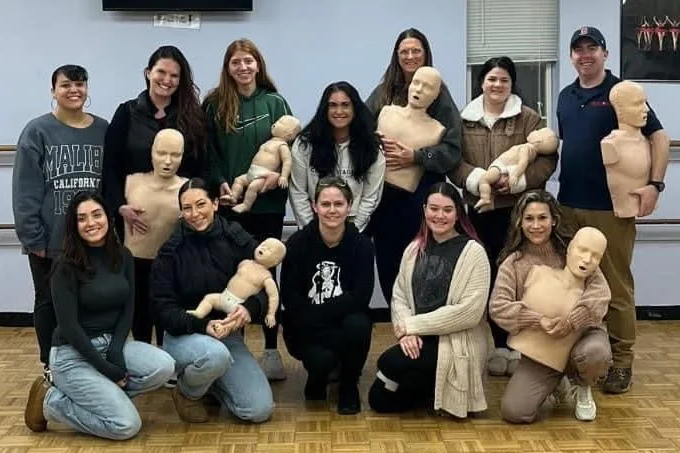
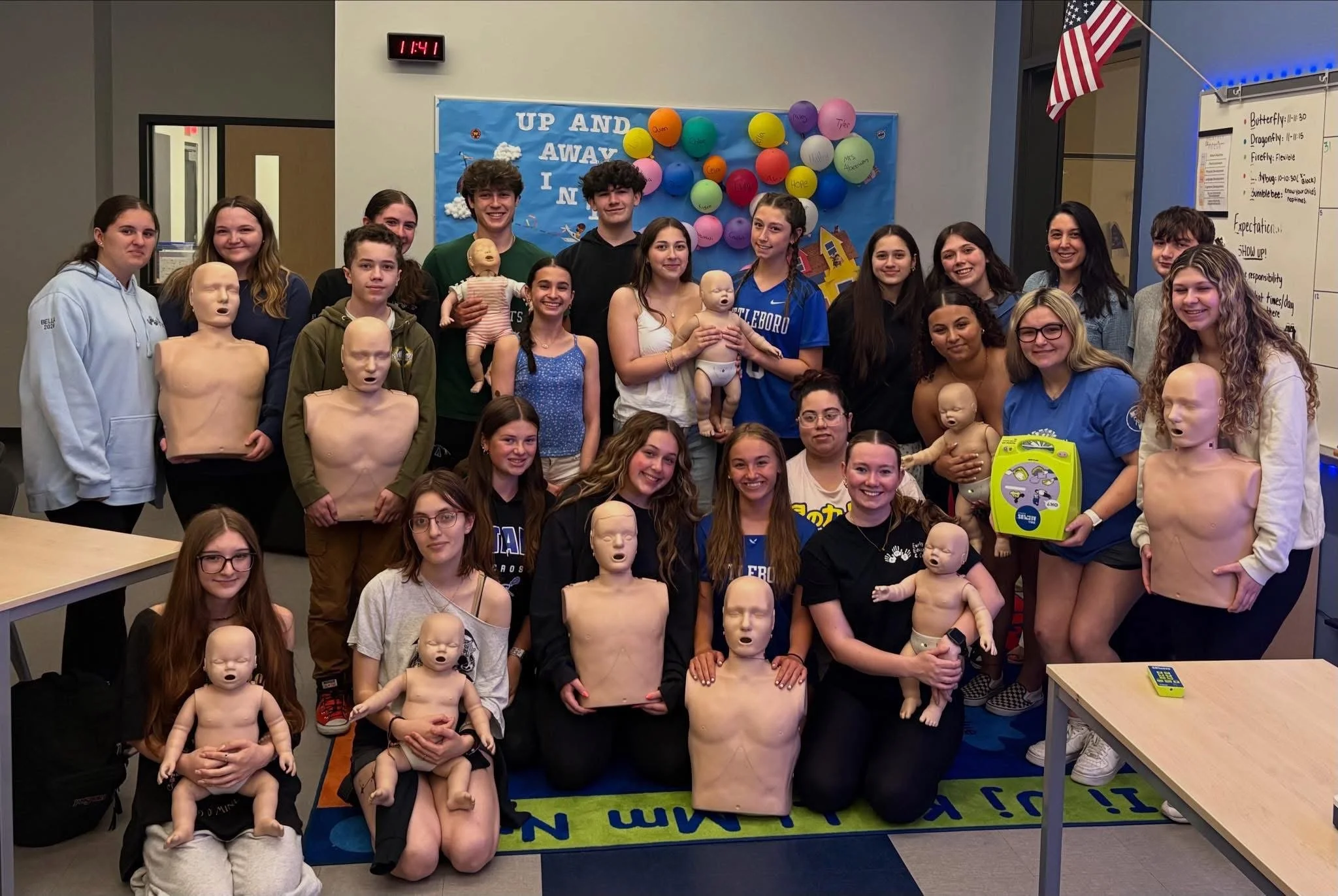
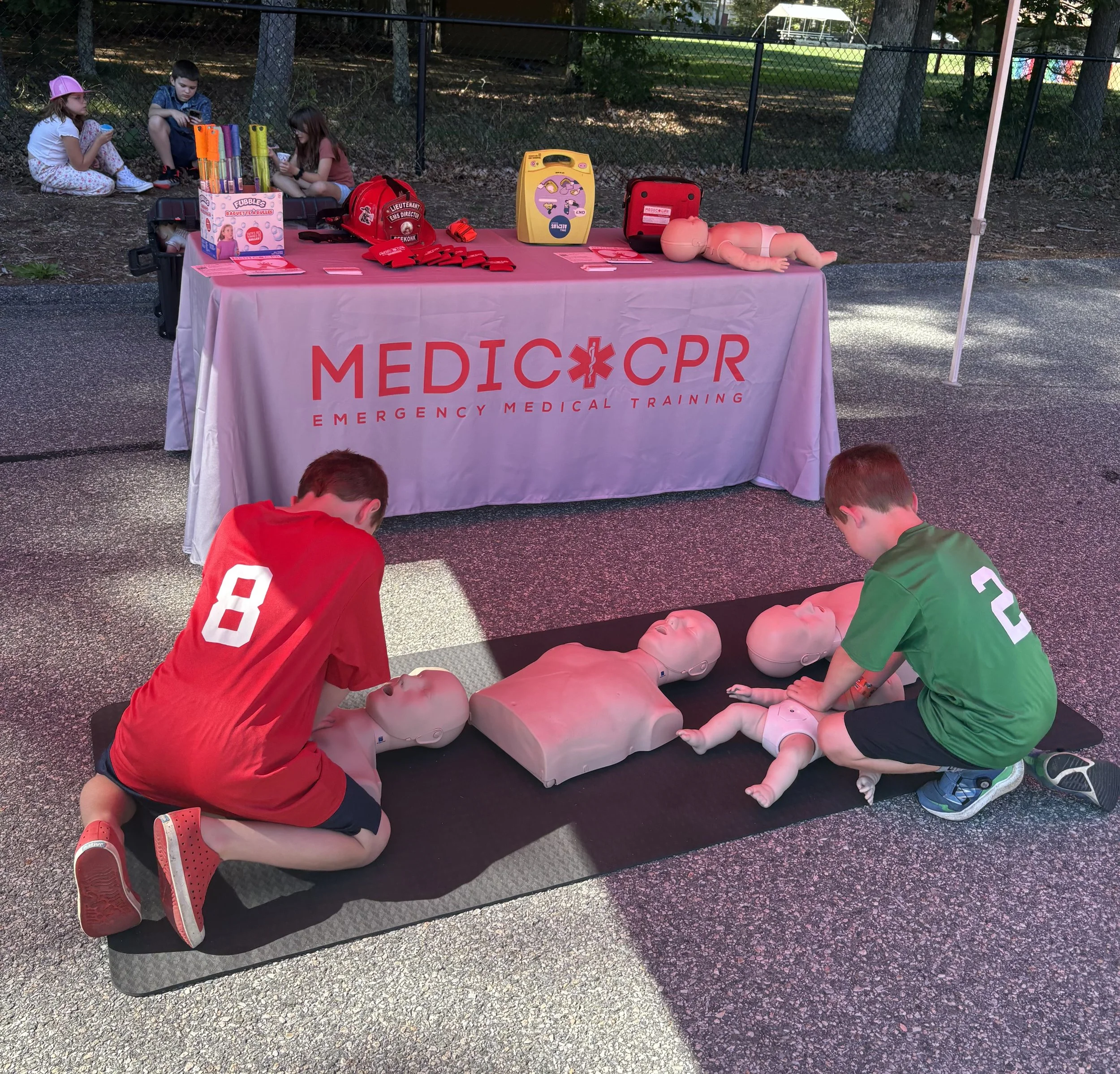
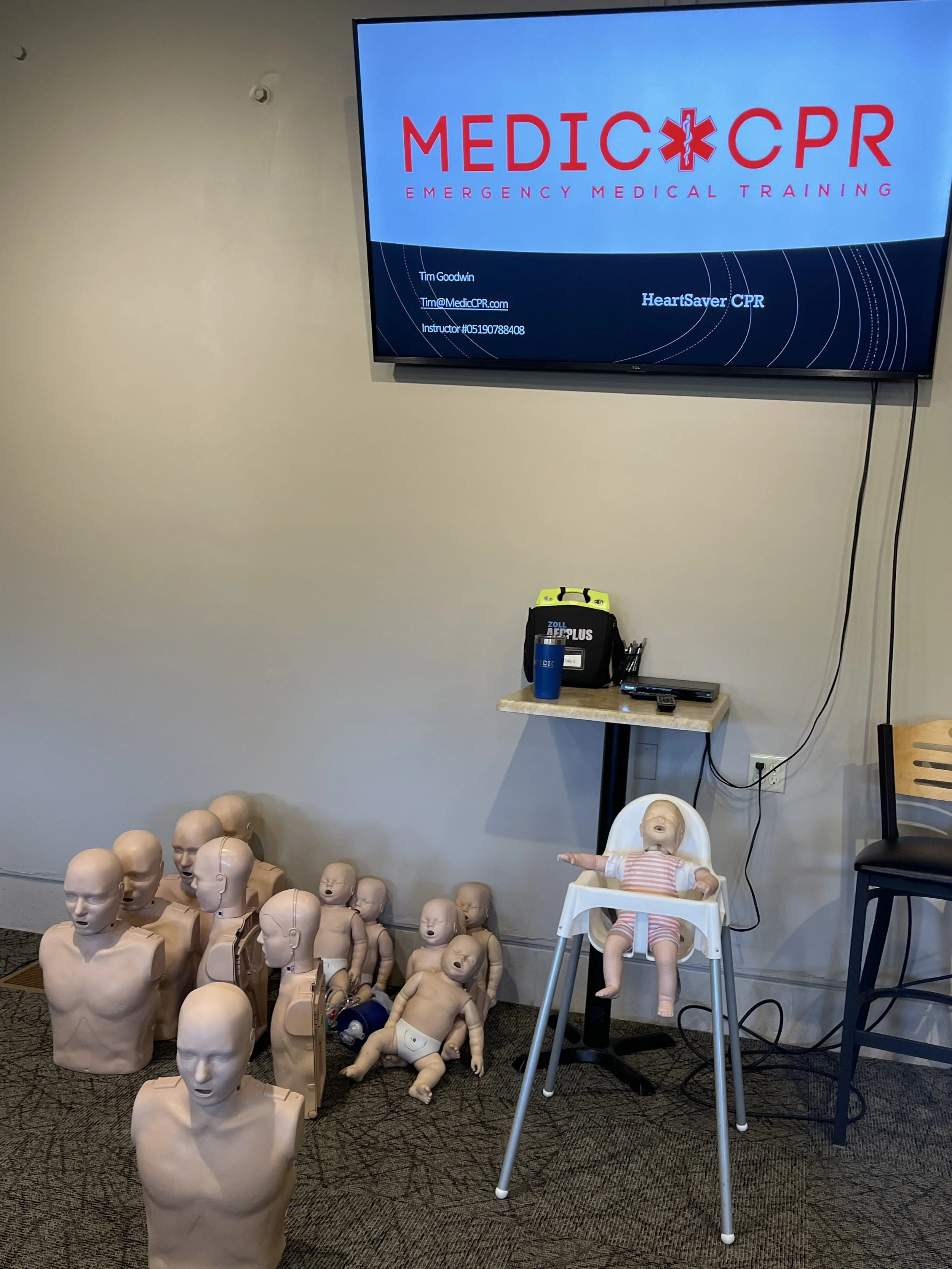
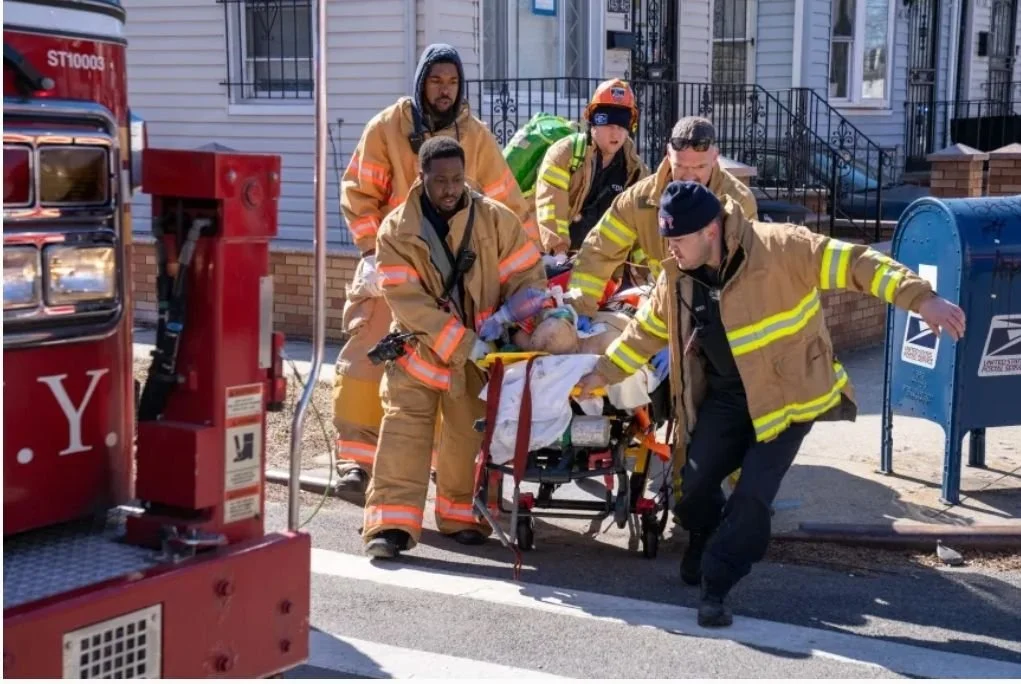
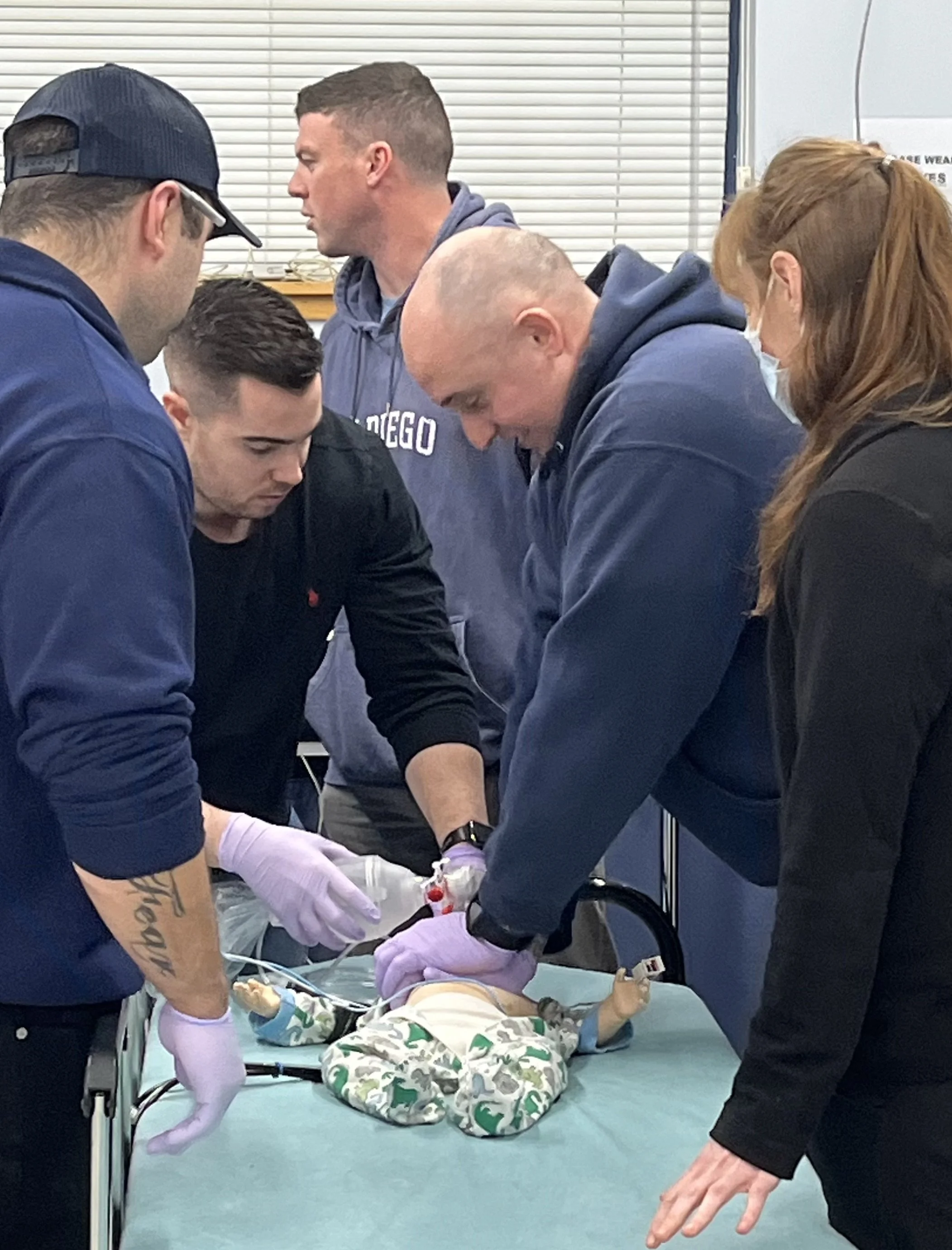
Medic CPR provides realistic, hands-on emergency medical training taught by experienced fire and EMS professionals. Students leave with more than a certification - they leave prepared to act. We teach real world emergency response taught by experienced first responders - not just a card and mannequin check off.
Our Services

-
The American Heart Association’s Heartsaver® portfolio delivers first aid, CPR, AED, and safety training for anyone—at work, school, or home.
-
The American Heart Association’s BLS Course is designed for healthcare professionals and other personnel who need to know how to perform CPR and other basic cardiovascular life support skills in a wide variety of in-hospital and out-of-hospital settings.
-
For healthcare professionals who either direct or participate in the management of cardiac arrest, stroke, or other cardiopulmonary emergencies. This includes personnel in emergency response, emergency medicine, critical care/intensive care, and surgery such as Physicians, Nurses, and Paramedics, as well as others who need an ACLS course completion card for a job or other requirement.
-
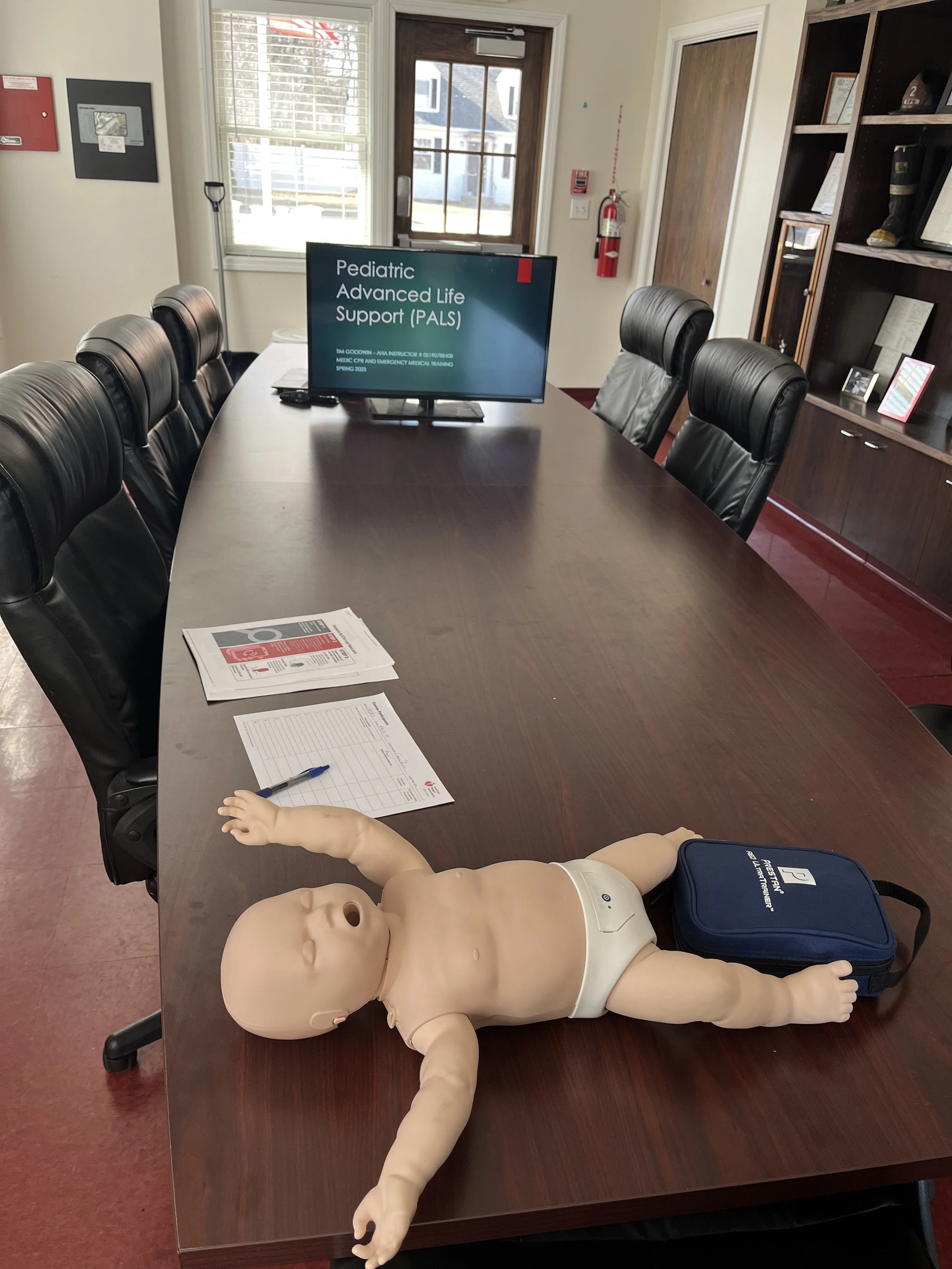
PALS is intended for healthcare professionals who respond to emergencies in infants and children and for personnel in emergency response, emergency medicine, intensive care and critical care units that encounter pediatric patients on a regular basis. Upon successful completion of the course, students receive a course completion eCard, valid for two years
-
Stop the Bleed is a nationwide training initiative with the goal of improving survival from natural and man-made mass casualty events. Many of the deaths from these events are due to severe bleeding that could be controlled if immediate action was taken.
-
The Civilian Response to Active Shooter Events (C.R.A.S.E.) training is designed and built on the Avoid, Deny, Defend (ADD) strategy developed by ALERRT. It provides strategies, guidance, and a proven plan for surviving an active shooter event.
-
All 3 certifications bundled into a one day class. Please call or message for availability.
-
E-mail us for a quote regarding group classes either at our educational center in Rehoboth, MA or on-site at your location.